Medical-travel convenience
A major municipality with international hotels, modern hospital resources, rail and airport connectivity, and efficient local transport for compressed screening schedules.
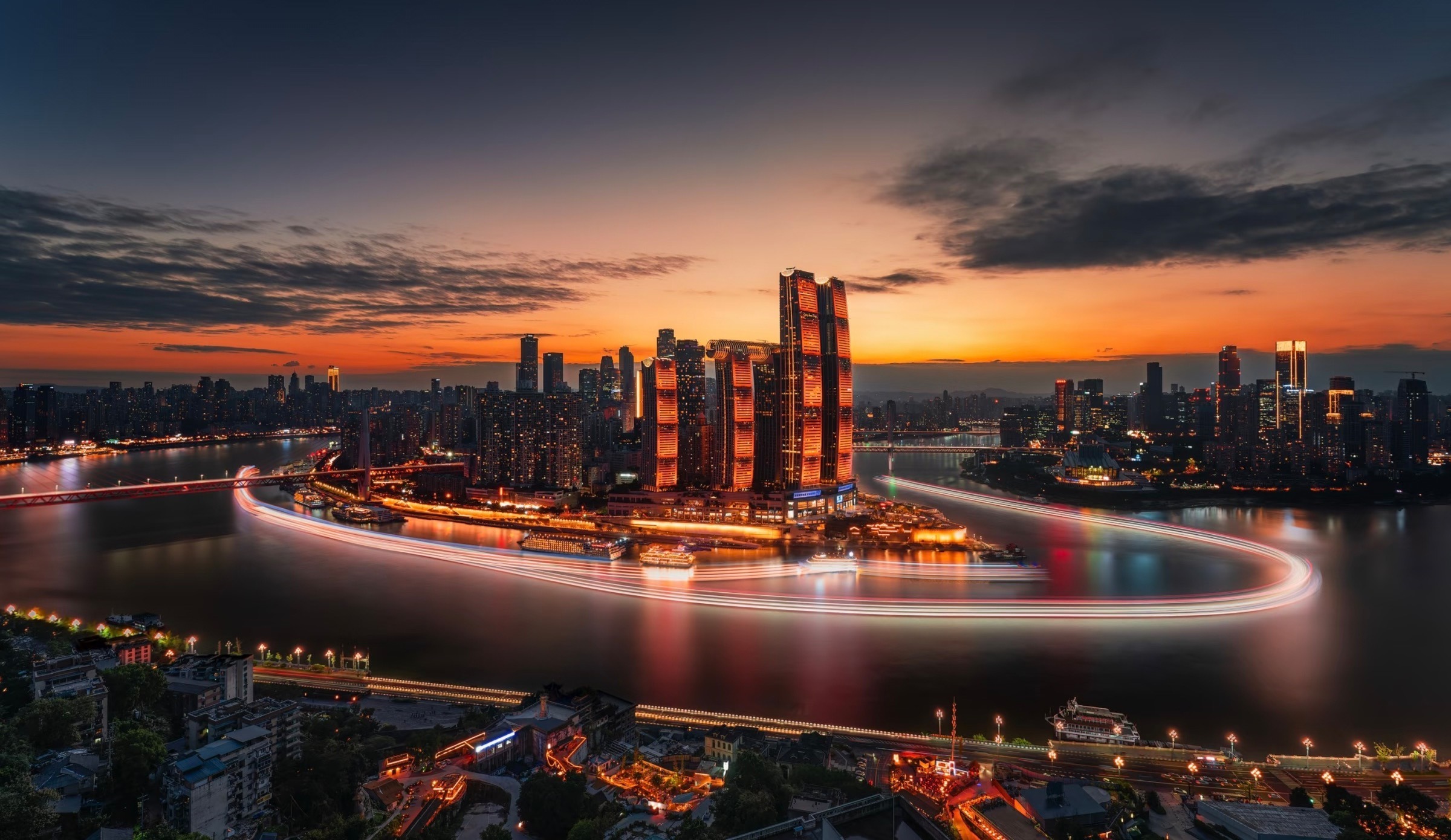
Chongqing is a direct, energetic and visually unforgettable base for a health journey: modern hospitals, strong transport links, premium hotels, dramatic river scenery and a food culture guests remember.
Direct, dramatic and unmistakably itself, Chongqing pairs serious medical infrastructure with one of the most striking cityscapes in China. Here is a short introduction to the place you'll be travelling to — its rivers, its streets, its rhythm and its table.
A major municipality with international hotels, modern hospital resources, rail and airport connectivity, and efficient local transport for compressed screening schedules.
The Yangtze and Jialing rivers frame one of China's most cinematic skylines, with dramatic bridges, hillside streets and evening city lights.
Hotpot, tea houses, old streets and riverfront neighborhoods give the journey a strong sense of place beyond the medical appointment.
City Guide
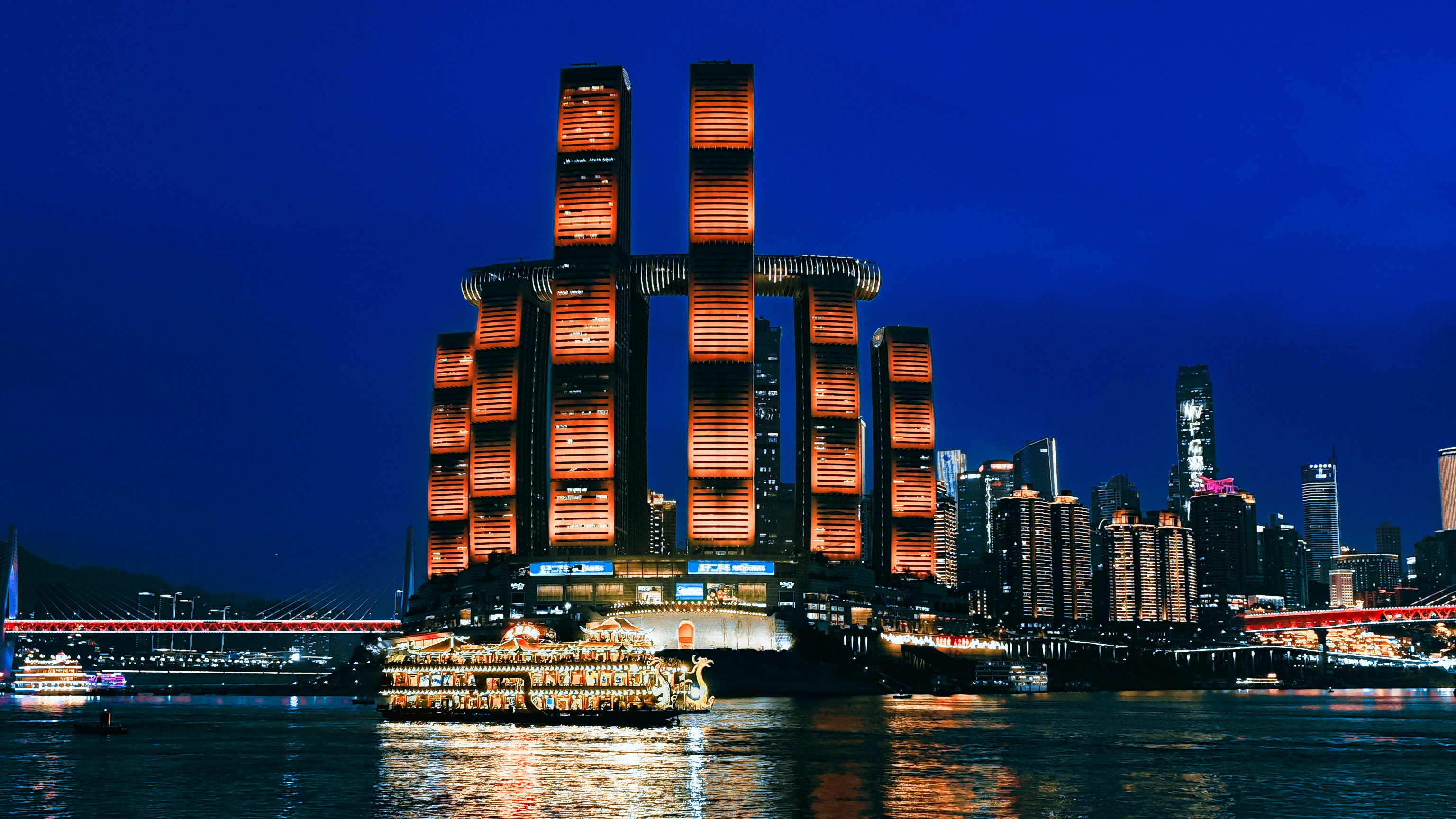
Chongqing rises where the Jialing River meets the Yangtze, and the peninsula between them — Chaotianmen — is crowned by the Raffles City towers and their horizontal sky bridge. After dark the waterfront becomes a wall of light, best seen from a river cruise or a rooftop terrace. This is the postcard image of the city: towers stacked on cliffs, bridges threading between hills, and two great rivers moving through the middle of it all.
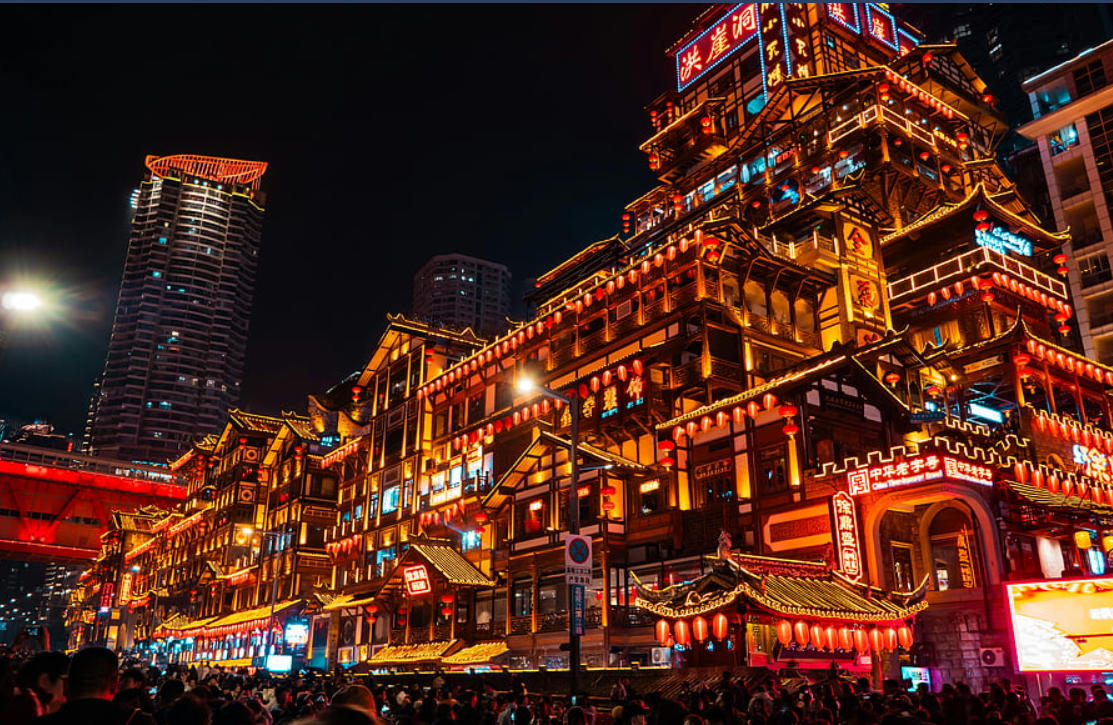
Hongya Cave is a cluster of stilted timber houses built into the cliff face, glowing amber with lanterns late into the night. It preserves the old Bayu building style that once lined the city's riverbanks, and now holds teahouses, snack stalls and viewpoints. Evenings are when Chongqing is at its most cinematic, and a slow walk here is an easy, low-effort outing that fits neatly around a screening schedule.
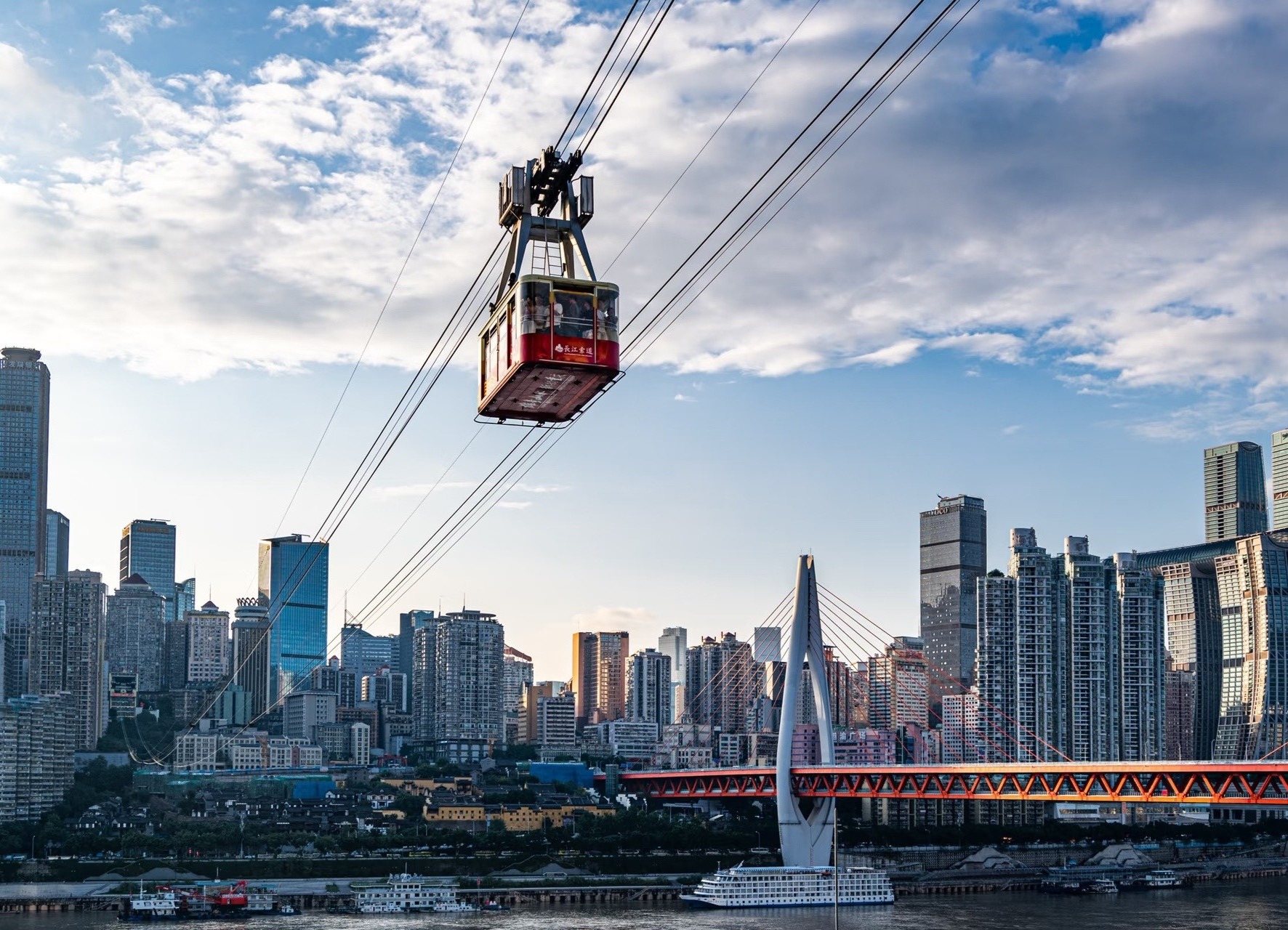
Few cities are as vertical as Chongqing, and getting around is half the experience. The Yangtze River Cableway glides high above the water between the two banks, the light rail famously passes straight through an apartment block at Liziba, and public lifts connect streets stacked many levels apart. For visitors this layered geography is genuinely convenient — private transfers and a well-planned route keep travel times short between hotel, hospital and the sights.
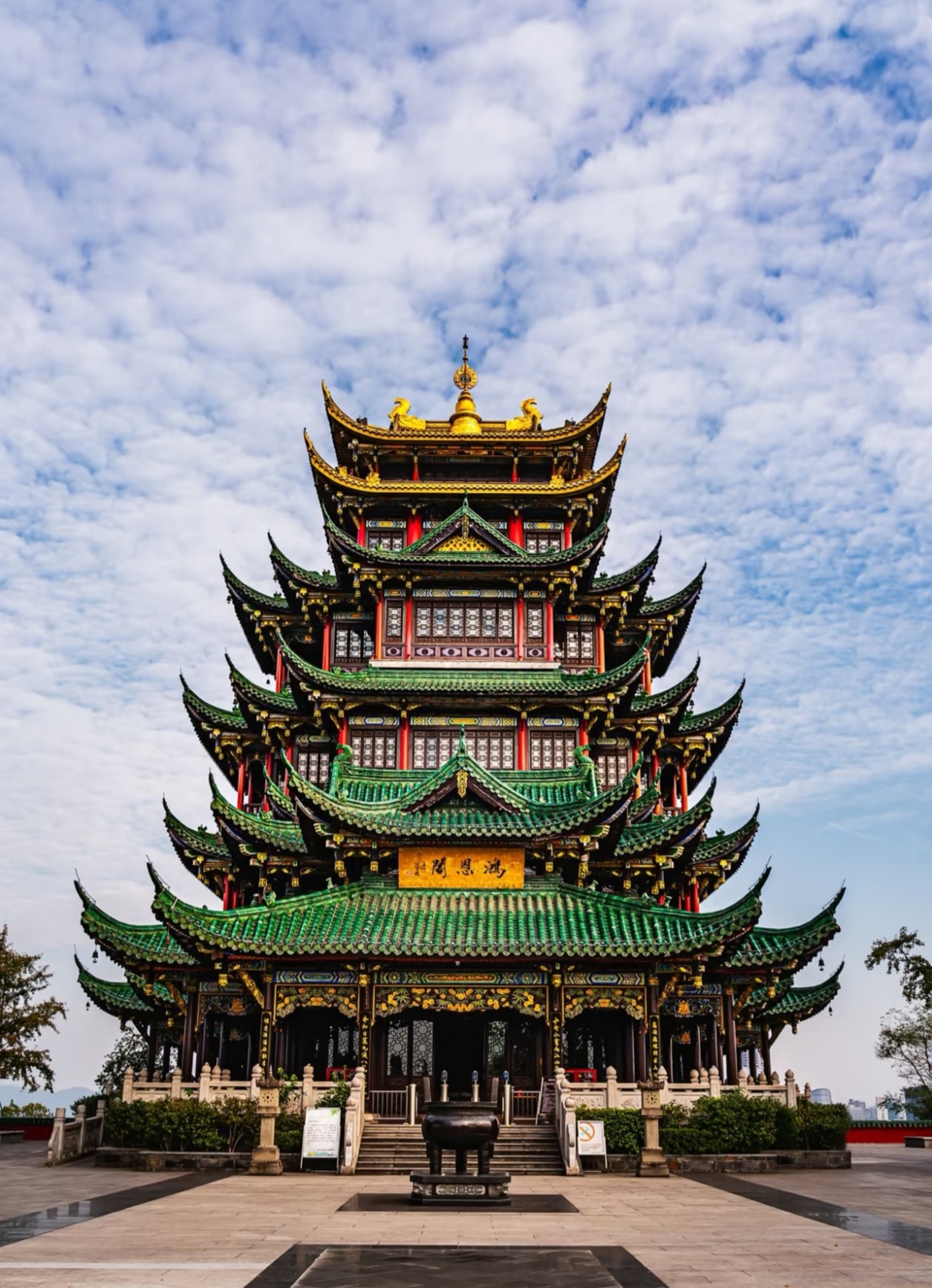
Beyond the neon, Chongqing keeps calmer corners. Hong'en Temple Forest Park crowns a hilltop with a tiered, green-tiled pavilion and wide views over the city — a peaceful place to walk in the morning. Tea houses, riverside promenades and hillside gardens offer the unhurried hours that matter on a health journey, giving the trip room to breathe between appointments.
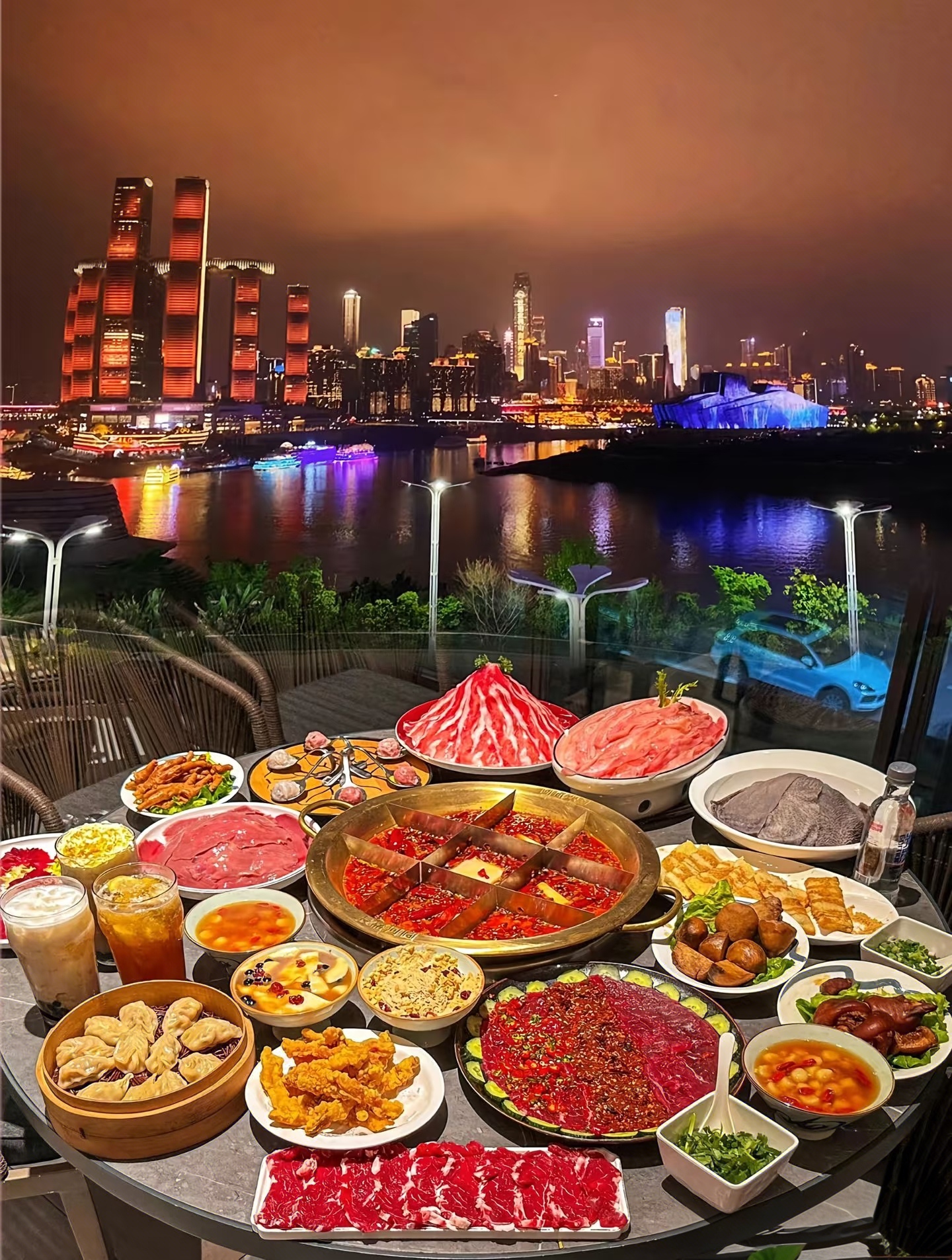
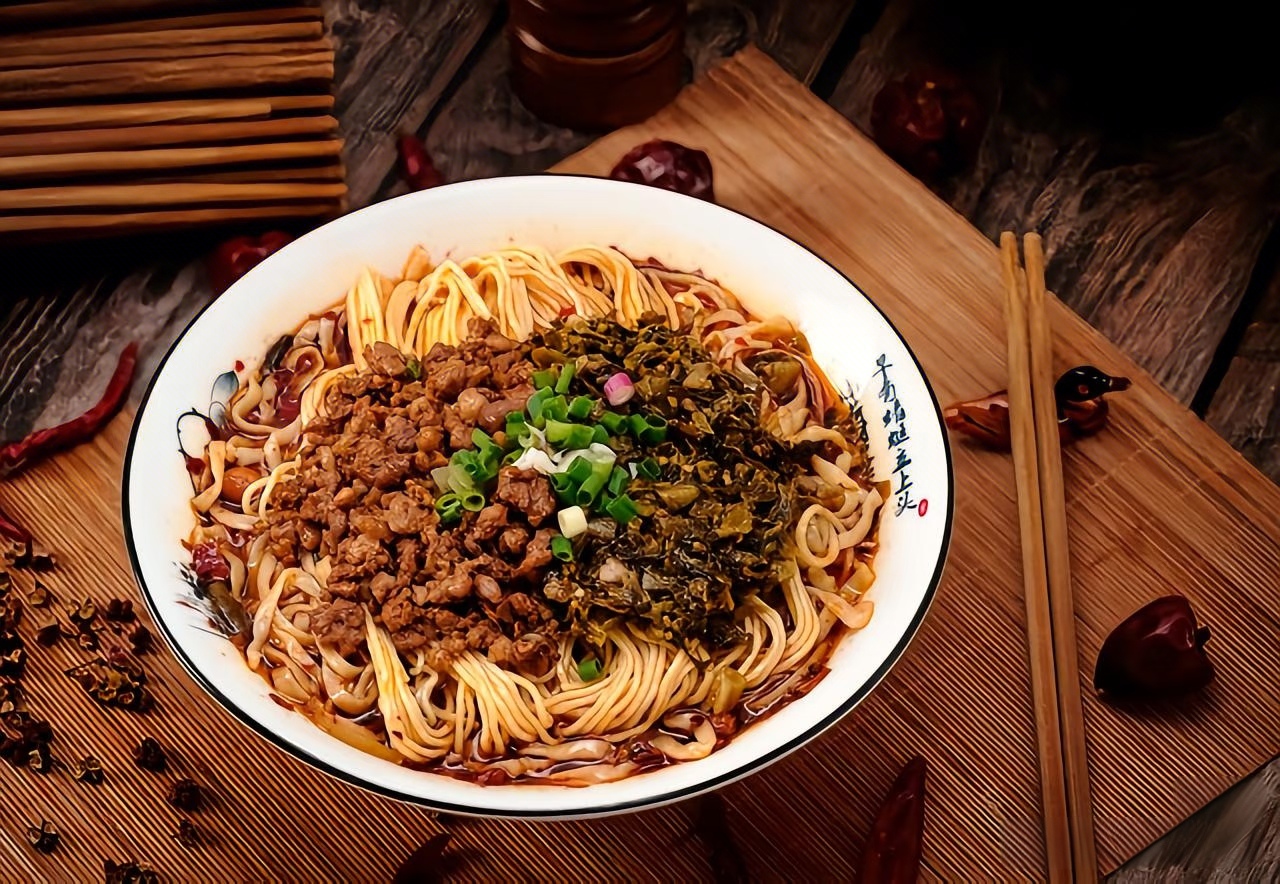
No introduction is complete without the food. Chongqing hotpot — a bubbling pot of chili and Sichuan pepper shared around the table — is the city's signature, while a humble bowl of xiaomian noodles is how locals start the day. The cooking is famously bold and tingling-spicy, yet milder broths and gentler dishes are always on hand, and we time richer meals around any fasting or post-check guidance.
Destination Chongqing
Riverside dinner, light walk and early rest before fasting tests.
Jiefangbei, Raffles City viewpoint or a relaxed cafe route.
Hongya Cave, Ciqikou, Dazu or Wulong depending on energy and schedule.
With local coordination, yes. The city is large and hilly, so private transfers and bilingual support make the trip much easier.
Spring and autumn are generally comfortable. Summer can be hot and humid; winter is cooler and often misty.
Yes. The itinerary is built around the medical schedule first, with rest windows and optional sightseeing.
Tell us your travel preferences and health check interests. We will prepare a personalized package proposal.